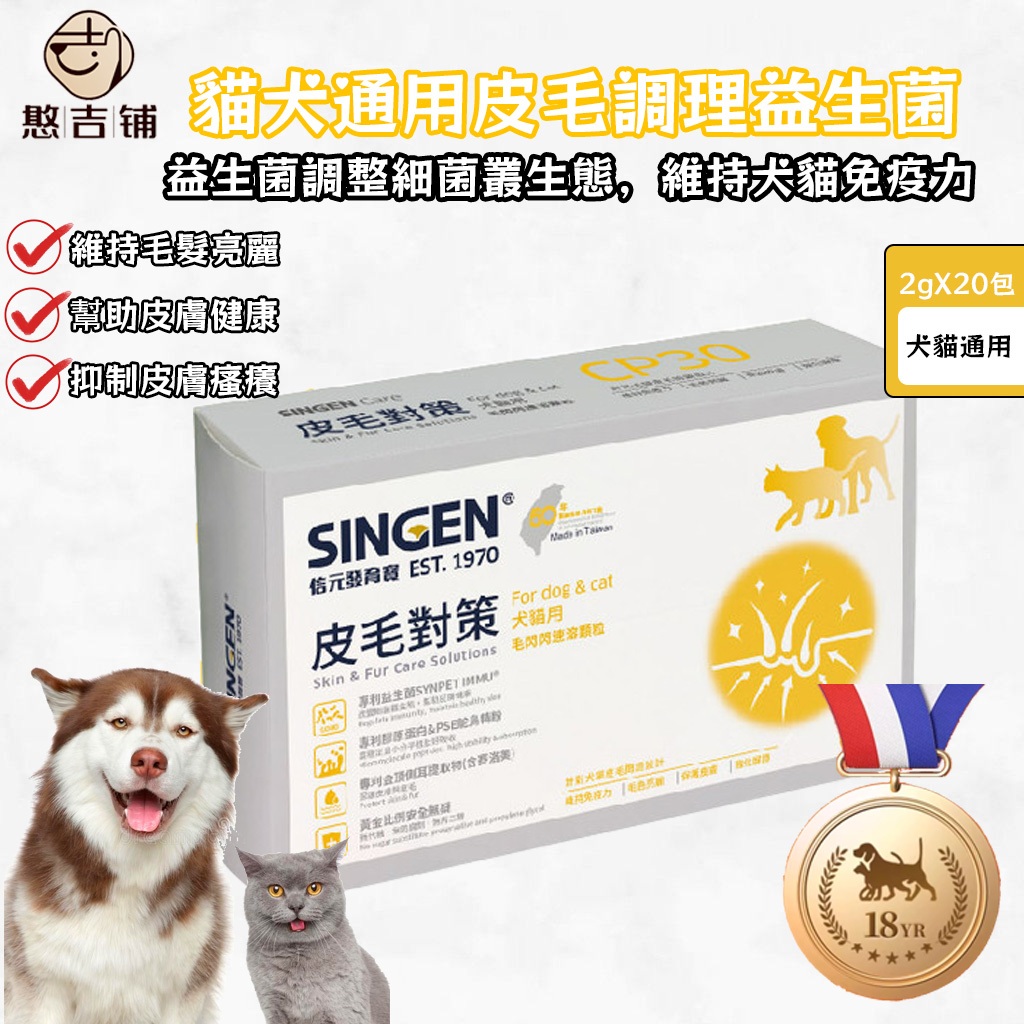
Thinking back to many years ago, I was a pet owner who didn't know much at all. At that time, my cat had chronic soft stools, and I naively thought that simply sprinkling a package of probiotics from a pet store that looked powerful and claimed to be for "digestive health" on her food would solve the problem. But the result? Not only did the problem not improve, but I later found out that my cat actually had mild kidney issues, and the ingredients in those supplements I gave her weren't clear at all, actually increasing the metabolic stress on her body. After that experience, I was really scared and started frantically studying pet nutrition, and that's when I understood what "intestinal microecology" meant, instead of just giving canned supplements.
Stop Treating Probiotics as a Cure-All for Diarrhea
Recently, when helping dog owners adjust their dogs' diets, many have complained to me that their dogs still have recurring stomach problems even after switching to new protein sources and even trying expensive ingredients like cordyceps and salmon. In fact, many times we are making the same mistake: giving probiotics when a dog has diarrhea. I used to think that filling the gut with good bacteria would solve everything, but I ignored the fact that it was because of long-term bacterial imbalance, which had weakened the intestinal barrier function.
I consulted with a trusted veterinarian, and he explained it to me in simple terms: "Zhi Ling, the gut is like a gated community. If you don't first figure out whether it's bad bacteria partying or too many good bacteria immigrating, simply adding new residents won't solve the chaos in the community, and may even cause traffic jams." In other words, blindly supplementing with probiotics can actually make the already fragile gut environment even more chaotic.
The Right Way to Customize Microecological Adjustment
For dogs who have been using antibiotics for a long time, or who have inflammatory bowel disease (IBD) or diabetes, their gut is like a bombed-out wasteland. To restore vitality to the environment, precise action is needed. Modern research shows that different strains of bacteria play completely different roles in the gut. For example, Lactobacillus acidophilus is usually more effective in combating acute diarrhea, while Bifidobacterium is more effective in maintaining overall intestinal barrier function and helping to improve constipation.
Rather than buying randomly, it's better to follow these steps to create a customized microecological plan for your furry friend:
Understand the Current Situation Through Fecal Testing
Now, when I manage my furry friend's health, I always ask to see a fecal test report. This isn't just about checking for worms, but about looking at the diversity of the gut bacteria. If the diversity is too low, it's like an ecosystem with only one type of plant, which is very prone to collapse. The vet will tell me whether there's a lack of good bacteria or too many bad bacteria, and then we'll decide what to supplement.
The Golden Combination of Probiotics and Prebiotics
Simply giving good bacteria isn't enough; you also need to provide them with food, which is what "prebiotics" are for. For example, I often use fructooligosaccharides (FOS) or chicory root fiber, which help good bacteria establish themselves in the gut. But I remind everyone not to add too much prebiotic just because it's a natural fiber. A moderate amount of fiber can help with bowel movements, but too much can cause bloating in sensitive guts due to excessive fermentation.
Mindset Adjustment: Patience is the Best Medicine
From the pitfall I experienced with my cat's health, I learned the most important lesson: adjusting the gut is a long-term battle. Many owners ask me, what if it doesn't work after a week? In fact, research data shows that changes in the structure of the gut microecology usually take weeks or even months to stabilize. If your dog has a chronic illness, it may even require long-term cooperation with a doctor to adjust.
In addition to these external supplements, stress management is also super important. Did you know that stress hormones directly affect intestinal motility and even change the distribution of gut bacteria? My own experience is that every time I take my child to the hospital or there's a big change at home, their stool type will change slightly. At that time, providing a stable living space is more effective than eating an extra health supplement.
The road to raising a furry friend is long, and we can't become perfect nutrition experts, but we can become the most careful observers. Seeing my furry friend being able to defecate smoothly and having a stable appetite is the biggest reward for all my self-study. How is your dog doing lately? Are you experiencing intestinal instability due to long-term antibiotic use or other illnesses? Feel free to chat with me below, and let's discuss how to adjust our children.