
Looking back a few years, I once splurged on one of the most popular automatic feeders on the market to save time and effort. When I got home that day, I found that my mixed-breed dog had knocked the machine over, scattering kibble everywhere. Even worse, the machine had jammed, and my poor pup hadn't eaten a thing all day. That incident really made me realize that smart pet appliances should be there to assist our lives, not to create hidden worries. Since the time I accidentally caused health issues for my cat by buying the wrong food, I’ve learned my lesson: before buying any pet gear, I always stop to observe my home environment and my fur baby’s personality. Please, don't assume that just because it's a high-tech product, it’s a perfect fit for everyone. Choosing the right smart pet appliance can effectively improve your quality of life, but the wrong choice might just cause unnecessary stress and anxiety for your pets. For instance, for senior cats at risk of kidney disease, selecting an automatic feeder that allows for precise portion control is absolutely vital.
Not All Cats and Dogs Will Accept Smart Devices
I initially thought an automated litter box would be a lifesaver for me as a pet owner. But when I brought it home, my timid cat refused to go near the bathroom for three whole days, eventually holding her pee until she developed cystitis. I consulted my vet, and they put it bluntly: "To a cat, the litter box is their most private and safe sanctuary. If a strange object that glows, rotates, and makes weird mechanical noises suddenly appears, they see it as a terrifying monster." The vet reminded me that some cats are extremely sensitive to environmental changes. If you insist on using such devices, you have to spend a lot of time helping them adapt, otherwise, this psychological pressure can easily trigger behavioral problems, such as separation anxiety. When choosing an automatic litter box, noise control and material safety are paramount to avoid overstimulating your cat. Implementing measures to prevent separation anxiety is also essential for dogs that are prone to nervousness.
Differences in Acceptance Based on Pet Personality and Breed
Before you open your wallet, observe what kind of personality your fur baby has. If your cat stares at shifting shadows on the wall for half an hour, or if your dog gets nervous at the sound of any unfamiliar home appliance, then smart pet gadgets might not be the best fit. Some dogs are naturally more guarded, and cats are notoriously sensitive to changes in their territory. For example, shy cats may need much more time to get used to an automated litter box. Nowadays, I do my homework before buying any such products; the key is to look for quiet operation and a stable, sturdy build so your pets aren't startled by sudden movements when they approach. For timid cats, consider choosing a low-noise litter box with a more enclosed design, or help them get familiar with the sounds and appearance of an automatic feeder first.
Home Renovation: Creating a Pet-Friendly Space
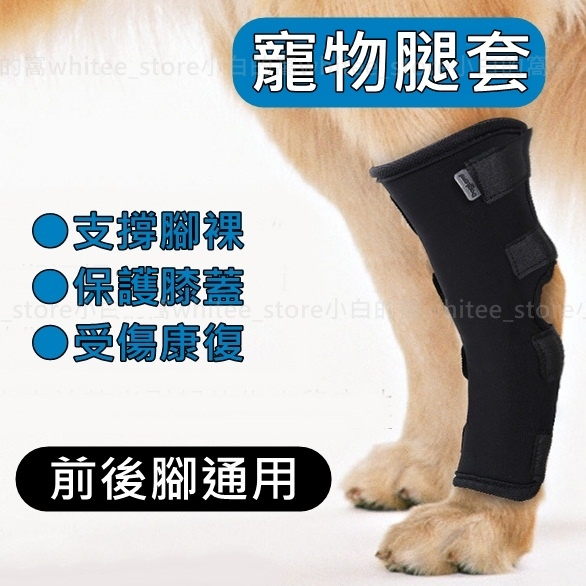
I once impulsively bought a smart water fountain, but it was so bulky it blocked the hallway, and my dog would constantly bump into it while running around. I’ve learned that the placement of appliances must avoid the main "traffic lanes" your pets use. This is especially important for senior pets, whose vision and joints aren't what they used to be; if you add obstacles to your home, it's very easy for them to get hurt. Proper layout and appliance placement are crucial for dogs to avoid collision risks. My dog previously had some joint discomfort, and I specifically bought pet knee braces to protect her; that's when I realized I really couldn't have too many collision hazards in the house. Always keep in mind the needs of different dog breeds, such as large breeds that require more space to move around.
Balancing Space and Cleanliness: Ensuring Hygiene for Water Fountains and Feeders
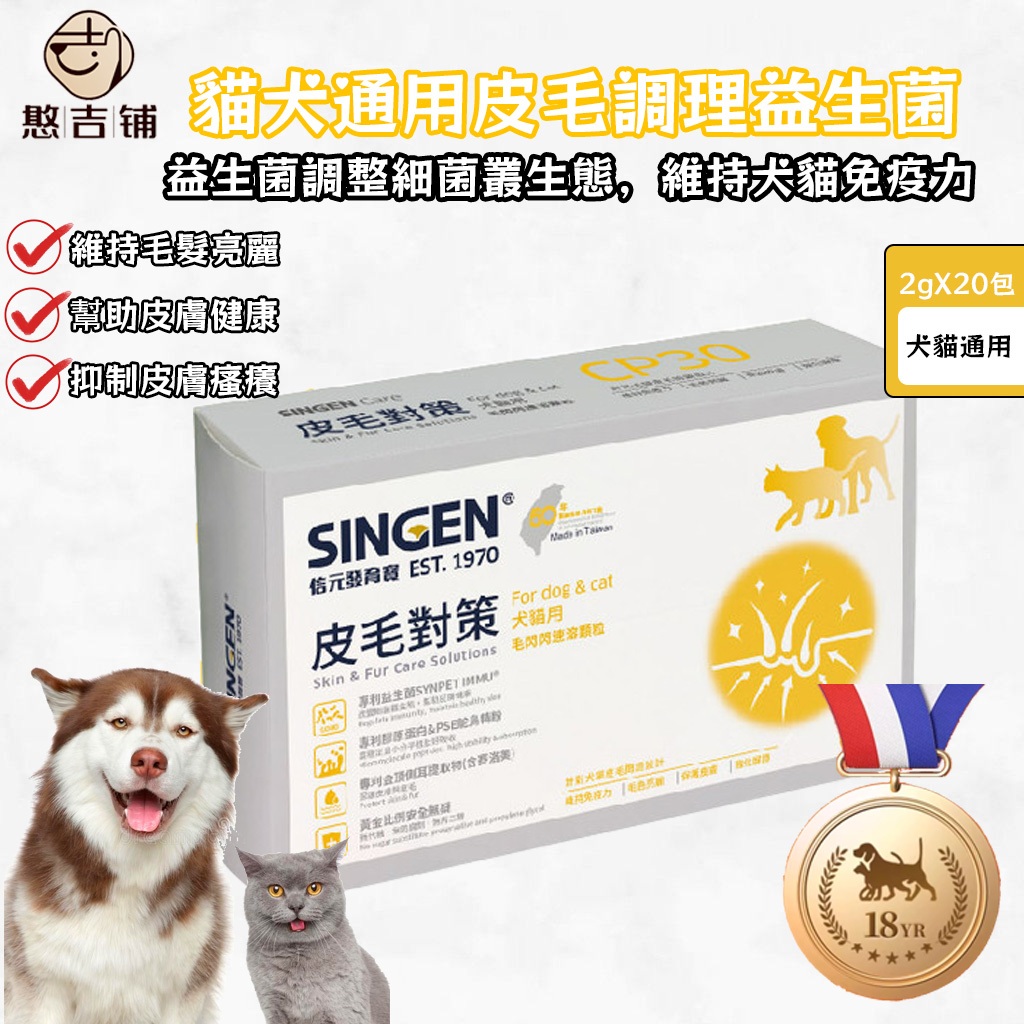
The cleaning and maintenance of smart pet appliances are actually more tedious than you might think—don't assume automation means you can just ignore them. If you don't take apart and wash the motor of a water fountain regularly, fur buildup can lead to bacterial growth, which is a major no-no for your pet's skin and digestive system. Hydration hygiene is a critical link in maintaining pet health. I’ve made it a habit: apart from using pet probiotics to balance their health, I never slack off on the cleaning frequency of any device that comes into contact with their mouth or nose. If a product seems like a nightmare to clean, it’s probably better to stick with the simplest, easiest-to-disassemble model. When choosing an automatic feeder, also pay attention to how well it seals to prevent food spoilage, especially if you have a pet with food allergies.

Don't Forget to Give Your Fur Babies Plenty of Fun: Interactive Toys and Environmental Enrichment
Even with automated devices, never underestimate the importance of companionship. I set aside at least twenty minutes every day to interact with them, tossing natural sola balls or playing simple scent-tracking games. Often, when our pets stare at walls or act strangely, it’s just because life has become too monotonous for them. Smart pet appliances are meant to give you more time to spend with them, not to act as an excuse to offload all your responsibilities onto a machine. Providing sufficient environmental enrichment, like scratching posts and various toys, can effectively reduce their boredom.
How well are your fur babies adapting to the smart appliances in your home? Is there a piece of gear you regret buying, or perhaps something you found and wished you had discovered sooner? Feel free to leave a comment and share your thoughts with me! After all, every pet has a different personality, and swapping experiences is always helpful!

