Looking back a few years, when I first started keeping cats, I was truly a clueless owner. I blindly bought the cheapest store-brand kibble, thinking that as long as my fur baby was fed and quiet, they were happy. It wasn't until a checkup revealed my cat had kidney issues that I realized how wrong I was. Watching her mope around because she felt unwell absolutely broke my heart. From that moment on, I forced myself to cram pet nutrition, from protein sources on labels to mineral ratios, and that’s when I realized the word "care" is so much heavier than I’d ever imagined. As a pet owner, beyond just love, we really need to understand our owner responsibilities and the relevant pet-related legal obligations to protect both ourselves and our fur babies.
Pet registration isn't just an administrative chore—it's a legal safety net
I used to think registering my cat was just about getting a piece of paper, but after diving deeper, I realized it’s actually a fundamental legal duty. Many people feel that pets are just family members and shouldn't be subject to "legal restrictions," but the reality is that if you haven't completed pet registration, you are legally very vulnerable if your pet goes missing or if a medical dispute arises. A veterinarian friend of mine often tells me that this is essentially an ID card for cats and dogs. He explained that it’s not meant to restrict your freedom; rather, it uses a microchip to link the owner and the pet. If an accident happens, it proves you are the sole caregiver and protects your ownership rights. According to Article 28 of the Animal Protection Act, failing to register a pet as required can result in a fine between NT$6,000 and NT$60,000. The first step in fulfilling your legal obligations as a pet owner is to start with proper registration.
Beyond feeding them, you need to learn to read their hidden needs
When it comes to care, many think that just putting out food and cleaning the litter box is enough. But care is actually a marathon. Sometimes I see owners on social media panicking, asking why their cat is staring at the wall and wondering if there's something "supernatural" in the house. Every time I see posts like that, I remember how I used to overreact to everything. In reality, cats are very sensitive to light and shadow, or they might be hearing high-frequency sounds we can't perceive—all of which are normal behaviors. Instead of worrying about ethereal things, we should put that energy into real, scientific care.
I used to ignore the small details, but later, to prevent illnesses, I kept some practical tools at home. For example, if a cat has just been neutered, an Elizabethan collar is a common protective measure, but not the only option; some vets suggest using recovery suits to protect wounds. Never skip it just to save yourself the hassle—protecting the wound is vital. Regularly cleaning their ears is also a skill. Using specialized pet cotton swabs is much safer than randomly using tissues. These small daily investments actually reduce future pet medical expenses and mental stress. You might also want to consider pet insurance to handle unexpected situations and ease the financial burden of pet owner responsibilities.
From adoption to lifelong care: a promise to a life
Legal responsibilities and obligations of adoption
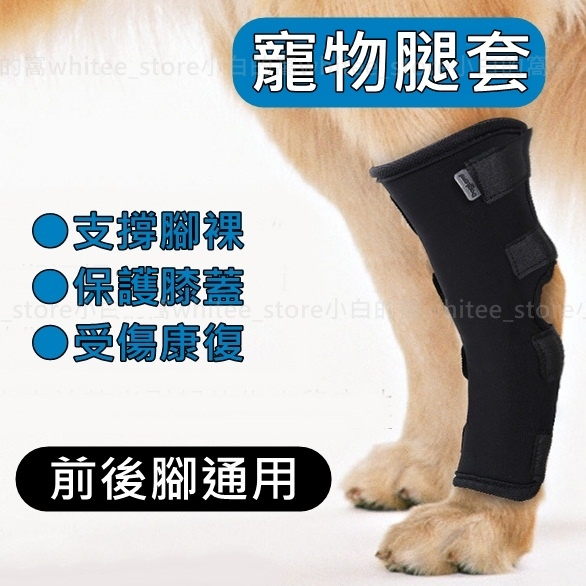
Many people say "adopt, don't shop," which is a great social obligation, but "lifelong care" after adoption is the hardest part. I used to think adoption was just filling out a form and bringing them home, but I discovered that many people choose to abandon their pets when they get old or need long-term medical care. When your pet starts showing signs of joint degeneration and limps, we should proactively plan their space—for instance, by using pet knee braces for support—rather than resenting the inconvenience when they get old. This is not just a moral issue; it’s the most basic respect an owner can show for life. Adoption also entails pet legal responsibilities to ensure the animal is well cared for.
What if your pet gets lost? What are the legal responsibilities?
If your fur baby unfortunately goes missing, please report it to the police immediately and seek help from animal protection organizations. According to the Animal Protection Act, owners have an obligation to recover their lost pets. If a lost pet causes harm to others, the pet owner may be held liable for damages, provided a direct causal link between the lost pet and the damage can be proven. Actively searching for your missing fur baby is a clear demonstration of pet owner responsibility.
What are your responsibilities if your pet bites someone?
If your pet accidentally bites someone, the owner may be held liable for pet-related personal injury damages. This liability may involve tort law (e.g., the victim's medical expenses, compensation for emotional distress) or criminal liability for negligent injury or death. Pet behavioral issues are common causes of accidents, such as lack of socialization, insufficient training, or aggression due to illness; thus, daily training and socialization are crucial. If a pet causes serious injury or death, the owner may even face criminal charges. The severity of pet-related legal obligations is a reminder that we must be more cautious in how we keep our pets.
Keeping a pet isn't just about our own little bubble with our fur babies; maintaining etiquette in public and not inconveniencing others is also an obligation the owner must fulfill in society. When we step out of the house, our every action represents all pet owners. Keeping them on a leash and cleaning up waste might seem like trivial matters, but they are actually about fighting for a friendlier social environment for our pets. If a pet accidentally causes injury to others, the owner may be responsible for damages based on civil law tort provisions. This usually covers personal injury or property damage to the victim, not the pet's medical expenses. If the pet gets injured in an accident, the owner bears those medical costs personally. Pet behavioral issues can also lead to accidents, and these behaviors often stem from poor socialization, lack of training, or illness. Pet dispute mediation is one way to resolve pet-related legal issues. You can seek assistance from local animal protection departments or mediation committees—for example, by calling the animal protection hotline at 02-2358-0511, or by checking your local government’s animal protection website for mediation processes and information.
Looking back over the years, I've gone from that rookie who didn't know anything and only bought random kibble, to someone who knows how to be a capable parent. The road of keeping pets is truly long, with both laughter and tears, but whenever I look into their clear eyes, it’s all worth it. How are your fur babies doing lately? Is there anything that has you particularly worried or a lesson you've learned recently? Feel free to leave a comment and share with me—let's keep working on becoming better pet parents together.