
I remember my first few years as a pet owner—I was such a naive newbie. Once, I took my dog to the park, and thinking it was everyone's time to let loose, I unclipped the leash to let him run around. Well, he bolted straight onto someone's picnic blanket and snatched their sandwich! I was so embarrassed I wanted the ground to swallow me whole. That was a small incident, but if my dog had run into a passerby or gotten into a fight with a more aggressive dog, it would have been a disaster. Back then, I thought that as long as my dog was "good," he wouldn't cause trouble. The price I paid was receiving eye-rolls from strangers and even nearly getting reported. Since that day, I’ve started to seriously study what it actually takes to be a responsible pet owner when heading out. Nowadays, I have a much better understanding that dog outings require thorough preparation to ensure pet health and safety while maintaining proper pet etiquette. More importantly, knowing about canine disease prevention is key to letting our furry friends fully enjoy their time outdoors.
Don't let your dog become a social hazard: Public etiquette
Whenever I take my dog out, the piece of advice I hear most often from the vet can be summed up as: "Don't assume your dog is friends with every other dog; to them, a stranger is a potential competitor." This is so important. Many owners think, "It's fine, they just want to say hi," but for a dog, forcibly approaching someone without the owner's permission can easily lead to a physical altercation. Now, whenever I’m out with my dog, I insist on "asking first." We only approach if the other person confirms their dog is okay with it. Also, I always carry some reward treats, like high-quality freeze-dried chicken. They’re great for practicing stability in public and help bring his focus back to me instead of letting him obsess over passing dogs. During dog training, building strong dog socialization skills is vital; it reduces anxiety and aggression during dog outings. Plus, pay close attention to dog body language so you can spot potential conflicts early on.
Protecting your pet's body: The pre-outing checklist
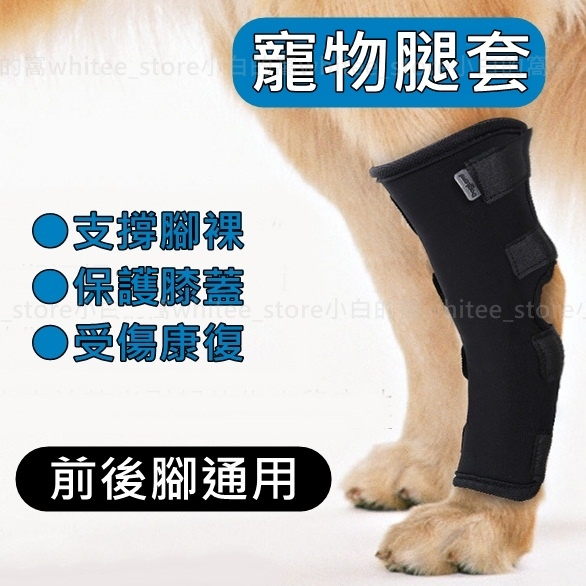
Beyond social etiquette, my dog's physical well-being was another big lesson I learned the hard way. I used to take him to play in the grass, only to come home and find his paw pads slightly red and swollen, or notice his joints seemed a bit stiff. It worried me sick. I asked my vet, who explained that some dogs have sensitive paw pads that can be irritated by rough terrain or thorny grass. He suggested observing the ground and choosing flat, clean areas. Plus, short-legged or heavier dogs are more prone to issues. The vet also reminded me that while joint pressure is related to the terrain, a dog's weight, muscle strength, and overall joint health are more critical. These days, if we’re going to be running in the grass for a long time, I check his paw pads beforehand and keep an eye on his joints. If he’s feeling a bit sensitive, I’ll consider having him wear appropriate pet support gear, like protective pads or socks, for extra stability. Also, if he’s just had a minor procedure or has a wound that needs protection, I always have a pet cone ready, since outdoor environments are full of bacteria. Maintaining pet health requires us to be fully prepared before dog outings and to stay vigilant about common dog skin issues.
How to choose the right paw protection
Depending on the surface, you might consider pet shoes or pads to prevent paw injuries. When choosing, make sure the size is right, the material is breathable, and they have non-slip soles. Dog paw care is crucial—don't forget about regular cleaning and moisturizing!
Joint care: Prevention is better than a cure
For older dogs or those with joint issues, consider adding supplements to reduce joint stress. Additionally, maintaining a healthy weight, getting moderate exercise, and avoiding heavy impact can effectively prevent joint diseases.
Summer outings: Sun protection and cooling down
Some dogs have sensitive skin and can easily get sunburned after long exposure. Consider pet-specific sunscreen or protective clothing. Dogs with thin fur or light-colored coats are at higher risk, so be extra careful. Also, be mindful of pet heatstroke prevention: always provide plenty of drinking water and avoid strenuous exercise during midday hours.


A pet owner's daily practice: Patience and observation
Honestly, after getting a pet, I feel my patience has improved quite a bit. I used to find it annoying when my dog would stop to sniff grass on the sidewalk, but I’ve learned that for dogs, that’s just reading the city’s "newspaper"—sniffing to understand what’s been happening in the neighborhood. So now, when we’re out, I give him some time. As long as it doesn't bother others, I’m happy to wait and let him "read." Of course, if he acts unusually anxious or stares at empty air or walls, I become extra alert, as it might mean he’s sensing environmental changes I haven't noticed, or he might simply be tired. Understanding dog behavior helps us better grasp their needs. Plus, knowing a bit of pet first aid can always come in handy in emergencies.
Taking your furry friend out is a joyful experience, but that joy is built on mutual respect and preparation. As pet owners, we are effectively their tour guides in the human world. We’re in charge of planning the itinerary, ensuring safety, and cleaning up messes. It can be busy work, but seeing them happy makes it all worth it. Finally, I’d love to ask you all—have you had any funny or embarrassing stories while out with your pets lately? Or are there any "must-have" items your family carries for outings? Leave a comment and share! After all, we're all just pet owners constantly learning and evolving through trial and error!

