Summer is hot and humid, and looking at the scorching sun outside the window recently really makes me worried about my two older cats. Thinking back a few years, I was a very foolish pet owner. I always thought that when it's hot, pets pant a lot, and I assumed they sweat like humans and lose electrolytes. To help them drink more water and stay energized, I foolishly added a little salt to their food and bought a lot of high-flavor meat snacks as treats. And the result? My mixed-breed cat, who was already getting older, started showing signs of lethargy and drinking water abnormally frequently within half a year. A checkup revealed that his kidney values were already in the red. I really blamed myself at that moment, realizing that my well-intentioned love had actually become a weapon that harmed them.
Don't be fooled by the idea of replenishing salt through sweating, pets don't need that much salt
I used to think, since it's hot, older cats and dogs sweat a lot, and the sodium ions in their bodies are lost, of course, they need to be replenished! But the vet looked at my test results and explained it to me in plain language: "Zhiling, cats and dogs aren't humans. They only sweat through their paw pads, and their cooling efficiency is extremely low. They don't lose a lot of electrolytes just because it's hot." The vet explained that the kidneys are like the home's water filter, responsible for filtering impurities from the blood and then excreting them as urine. When we give them too much salt, these excess sodium ions have to be eliminated by the kidneys, working tirelessly. For older cats and dogs whose filters have begun to age or become blocked, this is just adding insult to injury.
Master a low-sodium diet and control every bite of nutrition
Since that lesson, I really scrutinize the ingredient lists when buying pet food. Many commercially available dry foods add salt or have too much phosphorus to make them smell better and more palatable. These are silent killers for older cats and dogs. Now, when I choose dry food for them, I always check the mineral labels on the packaging. If the manufacturer's description is unclear, I absolutely won't buy it. Sometimes I'll directly ask the vet to recommend a suitable low-sodium formula, which may be slightly more expensive, but considering the medical expenses saved and the extra years my pets can spend with me, the money is really well spent.
In addition to dry food, I also recommend giving them more wet food in the summer. Water is the best protection for pets with poor kidney function, and wet food not only has a high water content but usually has better sodium control than salty dry biscuits. However, I've also made mistakes, like opening a can and leaving it out thinking they would eat it slowly. But the weather was too hot and the food easily spoiled, causing digestive upset. Now, I make sure to feed it within half an hour of opening, and any leftovers go straight into the fridge, never letting them eat stale food.
Choose the right snacks, rewarding your pet can also be healthy
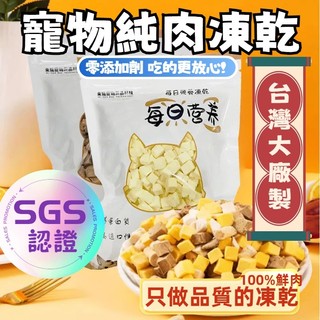
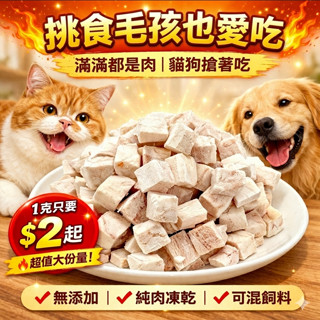
I used to love buying those individually packaged meat snacks to reward them, but later I found that the sodium content in those processed snacks was shockingly high. Pets don't really need so many artificial additives. Now, if I want to give a reward, I choose simple fresh fruits or steamed pumpkin and sweet potatoes, which are much gentler on them. If I really want to buy commercial snacks, remember to turn to the back and read the ingredients. If the description is unclear or there's a long list of additives, I immediately reject them.
On the road of raising pets, we are all learning as we go, and we are constantly growing through trial and error. Seeing them eat happily and look energetic really makes all the effort worthwhile. After all, their world is only us, and a little extra care from us makes a lifetime of health for them.