The pitfalls I stumbled into, taught me how to say goodbye properly: Sharing my experience with pet end-of-life care
Talking about pet end-of-life care actually makes my heart a little heavy. I used to think that as long as I gave my furry friend the best food and the most comfortable environment, they’d be healthy and stay with me for a long time. But my mix, Little Tiger, was diagnosed with kidney disease in 2023. Even though we tried our best to treat him, he eventually left us. During that time, I was really flustered and didn’t know what to do at all. Later, I realized that accompanying my furry friend on their final journey isn’t just about medical care, it also requires mental preparation, and some… considerations regarding etiquette. This is a common struggle for many pet owners when facing their furry friend’s passing. The concept of pet palliative care was still quite foreign to me back then.
Looking back now, the most important thing I should have done was learn about it earlier. When our furry friends get older, or get sick, their needs will change. My vet, Dr. Li, told us, “Furry friends age much faster than humans. They may experience many changes in a short period of time, and owners need to be mentally prepared and learn how to observe their condition.” At the time, I thought what the vet said was obvious, but only when it happened to me did I truly understand the weight of those words. Learning about pet comfort care options earlier can also help us cope better. The focus of comfort care is to improve quality of life and alleviate symptoms after pet pain assessment.
Your furry friend’s “comfort zone” is important, but you also need to respect their choices: Specific practices for palliative care
Palliative care isn’t just about pain relief, it’s about improving quality of life
When the vet told us that Little Tiger’s kidney function had deteriorated to the point of no return, I started researching pet palliative care. I discovered that pet palliative care isn’t just about pain relief, it’s more importantly about keeping our furry friends as comfortable and dignified as possible. The vet said, “The key is to let them live the rest of their days without pain and feeling loved.” This includes providing a comfortable environment, appropriate nutrition, and continued affection. Home care is also an important part of palliative care, allowing our furry friends to feel safe in a familiar environment.
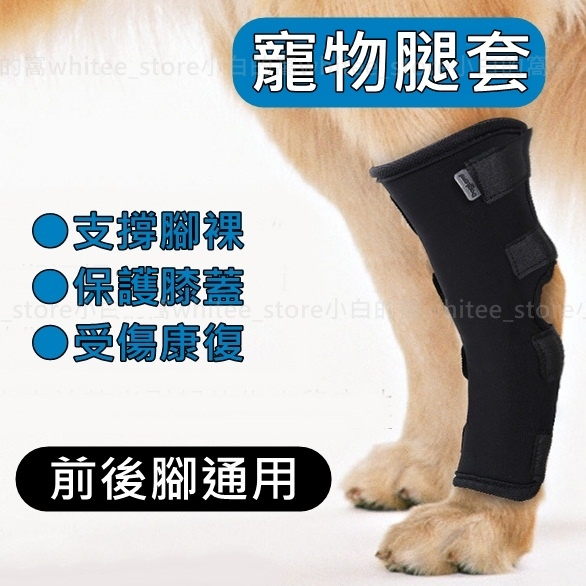
I tried to maintain Little Tiger’s usual routine, like spending time with him in the sun every day, grooming him, and giving him his favorite chicken freeze-dried treats. I noticed he loved to curl up on a small mat on the balcony, watching the birds outside. Even though his appetite was decreasing, I would still prepare some easily digestible food and feed it to him with warm water. I also bought him pet knee braces because his hind legs were starting to weaken, hoping to relieve some of his burden. These are all practices that can be referenced in pet palliative care. Regular pet pain assessment can help us adjust our care, making them more comfortable. Commonly used assessment scales, such as the Glasgow Composite Measure Pain Scale, can observe your furry friend’s breathing rate, posture, expression, and other indicators to understand their level of pain.
Respect their wishes, don’t force them, and pay attention to owner grief
Sometimes, Little Tiger would refuse to eat or didn’t want to move. At first, I was anxious and kept trying to encourage him, but later I realized that only made him more anxious. The vet told me, “When your furry friend doesn’t want to eat or move, let them rest. Don’t force them to do anything they don’t want to do.”
I started learning to observe Little Tiger’s body language and understand his needs. When his eyes were tired, I would gently stroke him, letting him know I was by his side. When he wanted to change sleeping spots, I would immediately help him move his bed. I found that respecting his wishes was more effective than any medication. At the same time, I also started seeking pet grief counseling, learning how to cope with the sadness of losing him. Owner psychological adjustment is very important, because this period is also a big challenge for us.
The ritual of saying goodbye is important for both you and your furry friend: Pet cremation and memorialization
I know that accepting the fact that your furry friend has passed away is very difficult for owners. It took me a long time to get over it. But I want to say that the ritual of saying goodbye is important for both you and your furry friend. I prepared Little Tiger’s favorite blanket and gently held him and said goodbye on the day he left. I also placed some of his favorite toys next to his remains, hoping he could have fun in another world. Many owners also choose pet cremation and place their ashes in pet memorial items to express their longing for them. Some owners also consider euthanasia, which is a very difficult decision that requires thorough communication with your vet. Euthanasia involves ethical considerations and is usually applicable when a furry friend suffers from incurable pain and their quality of life is extremely low. However, euthanasia is not the only option, and we should also consider other comfort care options to improve their quality of life as much as possible.
I know some people might think these rituals are silly, but for me, these are all ways to express my love for Little Tiger. And these rituals also made me feel at peace, because I knew I had done everything I could to love him.
Now, I have two other cats, and I will regularly take them for check-ups and learn about pet nutrition to avoid repeating the same mistakes. I know that every furry friend is unique, and the love they give us is priceless. So, please cherish every day with your furry friend and be prepared to accompany them on their final journey.
I wonder how your furry friends are doing lately? Is there anything special you’d like to share?
Frequently Asked Questions (FAQ):
- Q: When should I consider pet palliative care?
A: When your vet diagnoses your furry friend with an incurable illness and their quality of life begins to decline, you can consider pet palliative care. - Q: Is pet euthanasia a good choice?
A: Euthanasia is a very personal decision that requires thorough communication with your vet and consideration of your furry friend’s pain level and quality of life. - Q: How do I cope with the grief of losing my furry friend?
A: Seeking pet grief counseling, sharing your feelings with family and friends, and participating in pet memorial activities can all help alleviate grief.