The pitfalls I’ve encountered: Don’t just accept “they’re old, that’s just how it is!”
When it comes to rehabilitation, I initially thought it was something only humans needed, honestly! About five years ago, my tabby cat, Xiao Hu, started to have a little trouble with his hind legs. Back then, I naively thought that cats get less active as they age, it’s normal. So I just added some soft padding for him to be more comfortable. But the vet told me that Xiao Hu’s joints were actually starting to degenerate, and without proper rehabilitation, things would only get worse! I really regretted not paying attention sooner.
Later, I started researching pet rehabilitation and realized that, just like people, pets can benefit from physical therapy to improve joint problems, muscle atrophy, and even post-operative recovery. The vet said that just like humans need a physical therapist for sports injuries, our furry friends also need professional assessment and treatment to achieve the best results. The vet used more professional terms and said, “Early intervention can slow down the rate of joint degeneration and improve quality of life.” I’ll put it simply: the sooner you start rehabilitation, the better it is for your furry friend!
Is pet physical therapy not yet widespread in Taiwan?
Recently, I saw a video online (Even vets don’t understand, can dogs have physical therapy?) about how a pet physical therapist in Malaysia started promoting this field from scratch. Watching it was really touching, because in Taiwan, the concept of pet physical therapy isn’t as widespread yet. Many owners may still think that if their furry friend is uncomfortable, they should just take them to the vet for medication, and rarely think about rehabilitation.
The video mentioned that pet physical therapy can help furry friends in various ways, such as massage, stretching, hydrotherapy, laser therapy, and more. These treatments can help relieve muscle pain, improve joint range of motion, promote blood circulation, and even help furry friends relearn correct movement patterns. I later took Xiao Hu for laser therapy, and it really helped, he walked with less effort.
In addition to professional treatment, home rehabilitation is also important
Of course, pet physical therapy isn’t something that can only be done in the hospital. The vet also suggested that we can do some simple rehabilitation exercises at home, such as gently massaging your furry friend’s muscles, helping them stretch their limbs, or letting them walk over some simple obstacles. However, these exercises must be done under the guidance of a vet to avoid causing secondary injury to your furry friend.
I now spend some time every day massaging Xiao Hu, and he seems to really enjoy it, and he does seem more relaxed. Also, I put some small toys within his activity range to encourage him to move around and maintain muscle strength. And I found that supplementing him with probiotics also helps his skin and coat, because his joints aren’t good, and he sometimes develops skin problems due to inactivity. (Pet probiotics)
- Maintain your furry friend’s appropriate weight to reduce joint stress.
- Provide a soft and comfortable sleeping pad to protect their joints.
- Take your furry friend for regular check-ups to detect problems early.
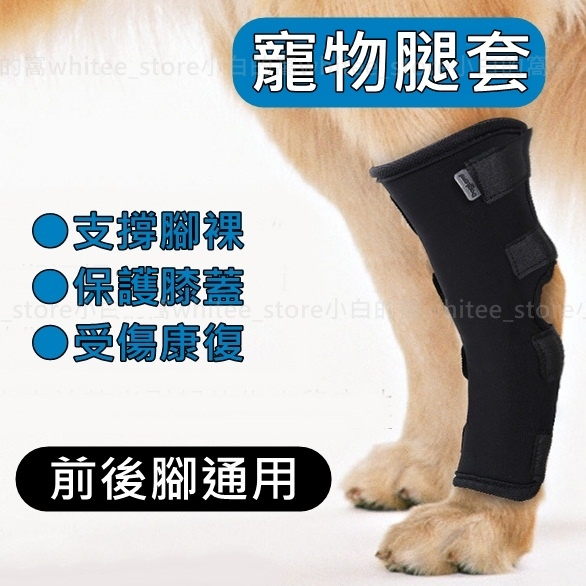
- If your furry friend needs to wear braces, such as knee braces, choose the right size and material. (Dog knee braces)
The best thing for your furry friend isn’t just food, it’s healthy activity
Actually, the concept of pet rehabilitation is the same as our own health management. In addition to providing your furry friend with a balanced diet, you also need to give them appropriate exercise and rest to maintain their physical function and enjoy a happy life. I now also take Xiao Hu out to bask in the sun more often, and let him smell the flowers, he looks much more energetic. Of course, you also need to pay attention to safety when playing, you can give him some natural toys, like pine cones, to exercise his brain and burn energy. (Pine cones)
In short, pet rehabilitation is a very important issue, and I hope everyone doesn’t ignore it. After all, our furry friends are family, and the best thing we can give them isn’t just food, but also healthy activity and proper care.
So, how are everyone’s furry friends doing lately? Have you noticed a decrease in their activity level, or any discomfort in their joints? Remember to take them for regular check-ups, detect problems early, and treat them early!