Whenever the topic of kidney health comes up, I get a heavy feeling in my heart. Looking back at my first few years as a pet owner, I was honestly clueless. I figured as long as my cat was eating and full, it was fine, so I just grabbed whatever cheap kibble was at the supermarket. It wasn’t until my eldest, Dabao, was diagnosed with abnormal kidney levels and I saw how lethargic he was that I felt like I’d been struck by lightning—that’s when I dove headfirst into researching pet nutrition. I used to think restricting protein was the way to protect their kidneys, but all that did was cause weight loss and muscle wasting, leaving my cat even weaker. I’ve learned these lessons the hard way, and I really hope none of you have to go through the same thing.
The Invisible Threat of Summer to Kidneys
The subtropical climate here in Taiwan is honestly really tough on the kidneys of senior cats and dogs. Once summer hits, water evaporates quickly. If your pets aren't big water drinkers, their blood thickens, and the kidneys have to work overtime just to filter out the waste. I once talked to a vet friend about this, and he put it simply: "Think of the kidneys as your home water purifier. They can handle things just fine in the winter, but in the summer, it’s like the water pressure from the tap drops while you're still trying to clear the same amount of impurities—of course the filter is going to wear out faster."
This is where dietary adjustments become critical. Many owners blindly cut back on protein during this time, but the real key isn't the quantity—it’s the "quality." High-quality protein produces fewer nitrogenous waste products after metabolism, which is by far the most effective way to lighten the load on kidneys that are already damaged or functioning at a lower capacity.
How to Choose Protein Sources to Reduce Kidney Filtration Load
Bioavailability is Everything
When we pick out kibble or prepare fresh food, we need to look at whether the amino acid profile is "complete." I used to love giving my pets cheap meat meal, but I realized later that its absorption rate is terrible—most of it just turns into waste that the kidneys have to filter out. For my senior fur-babies, I now prefer proteins with high bioavailability and moderate fat content, like high-quality chicken breast or white fish. If I’m giving treats, I always reach for natural freeze-dried chicken. These single-ingredient options put way less stress on their bodies compared to treats packed with synthetic additives.
The Connection Between Gut Health and Kidneys
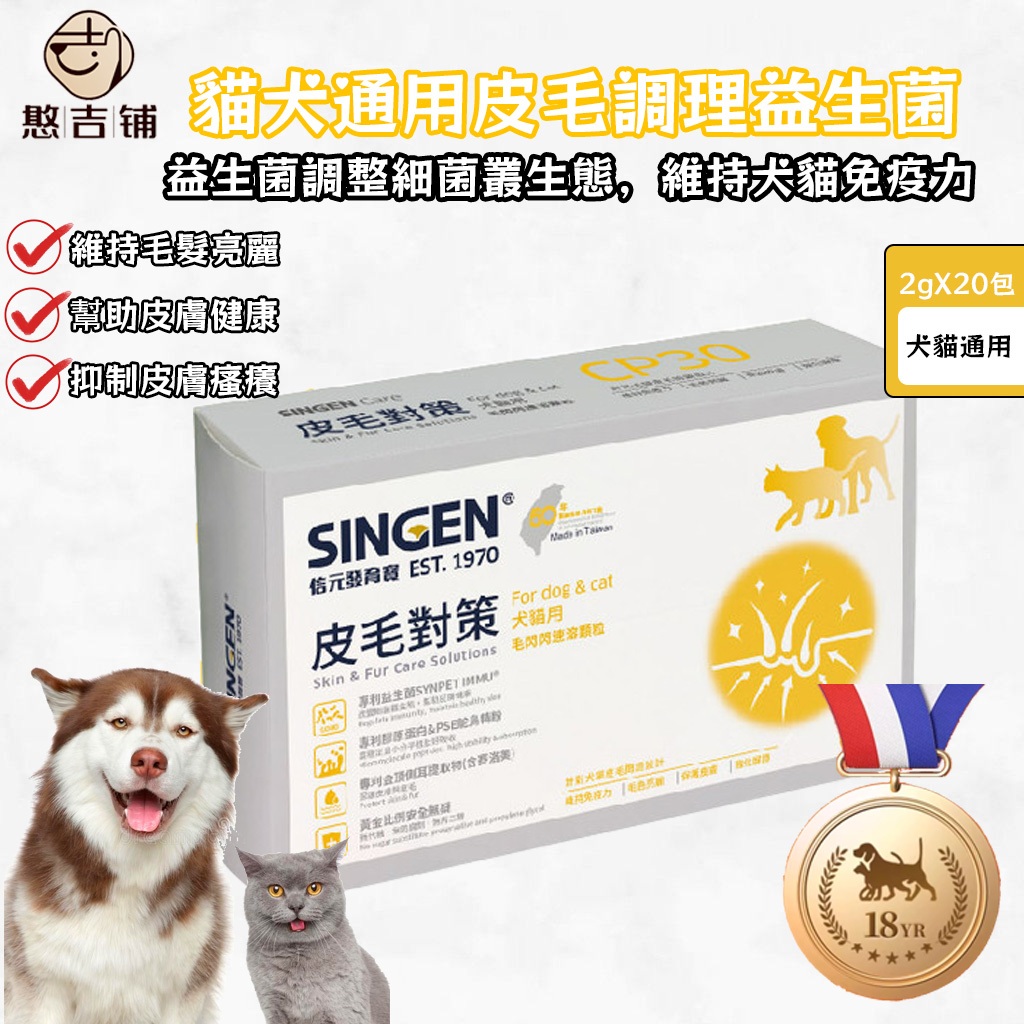
Most people don't realize that gut health is closely tied to kidney function. When your pet's gut microbiome is out of balance, it produces toxins that enter the bloodstream—and guess what? Those toxins still end up having to be filtered by the kidneys. That’s why, in the summer, I give them high-quality pet probiotics to balance their gut environment, which indirectly eases the pressure on their kidneys. This is the precise nutritional strategy I've learned: instead of constantly worrying about "how to fix the kidneys," it's better to maintain the filtration mechanism within their body first.
Daily Observation Tips for Pet Parents
Caring for senior pets in the summer is all about the details. I usually set out multiple water bowls and use some basic grooming supplies to keep them clean and comfortable, reducing stress caused by skin discomfort. I’d love to hear from you all—with the hot summer weather, have you noticed any changes in your senior fur-baby’s appetite or drinking habits? Do you have any little tricks that you’ve found useful to help lighten their load? Feel free to leave a comment below and let’s chat. Let’s all be attentive and caring pet parents together!