Looking back at the first time I took my mixed-breed dog on the MRT, I honestly almost had a breakdown right there at the station. I used to think that as long as I bought a big enough carrier and kept the leash tight, everything would go smoothly. But that day, I didn't account for the swaying of the train or the crushing crowds—my fur baby got so stressed they kept trying to claw their way out. I was drenched in cold sweat the whole way, and when we got home, they were so traumatized they wouldn't even eat. That painful lesson taught me that taking your fur baby on public transport absolutely cannot rely on guts alone; it requires incredibly meticulous planning. Many new owners face similar struggles when taking their medium-to-large dogs out, so I’ve put together this guide, hoping to help you all navigate it easily and avoid the dreaded dog motion sickness.
Why do dogs get anxious on public transport? Understanding the causes
A lot of people ask me, "How come your pets are so calm when you take them out now?" Honestly, it’s all thanks to "desensitization training." Vets remind us that a pet's fear of enclosed spaces and vibrations might stem from learned fear or conditioned reflexes—basically, past negative experiences lead them to expect discomfort in similar settings. Genetics and history play a big role in anxiety, too. If they get used to the sensation of a moving vehicle, their dog anxiety levels will naturally drop. So, instead of buying expensive strollers or carriers, start by getting them used to staying inside them at home, paired with some tempting treats—like these chicken breast freeze-dried treats I always keep on hand. Turn entering the crate into a ritual where "good things happen." This is a huge step toward pet-friendly travel. Preventing dog car anxiety starts right at home.
I used to think that if I just forced it and took them out a few times, they’d get used to it. But that totally backfired and just made them fear the carrier. The right way to do it is to start indoors, letting them stay in the carrier for ten minutes a day with rewards. Only after they are completely relaxed should you start trying to walk downstairs, and finally, move on to public transport. Knowing the pet transport regulations is the only way to ensure a smooth journey.
Choosing a carrier for medium-to-large dogs and protecting their physical health
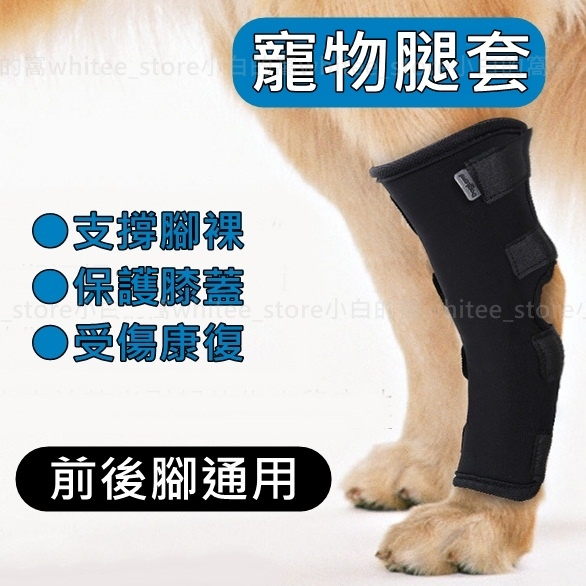
The biggest headache for medium-to-large dogs on public transport is space, especially since many MRT lines or buses now require them to be in a bag or stroller the whole time. Constantly accommodating these rules can be hard on a dog's joints, especially for older or larger breeds. Before I take my fur baby out now, besides checking if the stroller is sturdy, I also pay attention to their physical burden. When choosing a pet carrier, make sure the size allows the dog to stand up, turn around, and lie down comfortably. Choosing the right pet transport carrier size directly impacts your dog's comfort.
Essential preparations for owners before using public transport
Beyond the gear, pre-trip preparation is key. I usually stop feeding them a full meal four hours before we leave, opting for small, easy-to-digest treats instead. Something like these handmade natural chicken breast jerky works perfectly—it's tasty and doesn't stress their digestive system. After all, if your dog gets motion sick or stressed and throws up in an enclosed space, it’s not just uncomfortable for them; it’s a total nightmare for you to clean up. If your dog is prone to motion sickness, consult your vet about whether medication or dietary adjustments might help.
Dietary Preparation
Control their food intake to keep them from feeling sick during the trip.
Environmental Preparation
Ensure the comfort and safety of the carrier or stroller, and get familiar with dog travel safety measures.
Psychological Preparation
Use desensitization training to help your dog create positive associations with public transport.
When taking the MRT, try to avoid peak hours and head for the ends of the train car where it’s a bit more spacious; this significantly reduces the stress for medium-to-large dogs. Also, check the pet-friendly public transport rules for your specific city—like Taipei or Kaohsiung MRT—to avoid any unnecessary hassle. Knowing the pet transport regulations is the best way to ensure peace of mind.
FAQ
Q: What should I do if my dog keeps trying to get out of the carrier?
A: It means they haven't fully adjusted to the environment yet. Go back to the first step of desensitization training, slowly increase the time they spend inside, and don't forget the rewards.
Q: What if my dog keeps barking on the vehicle?
A: Try using treats or toys to distract them. If the situation is severe, consider using pheromone sprays or calming music.
Q: Does a dog's breed affect how well they adapt to public transport?
A: Absolutely. Generally speaking, more active and outgoing breeds might adapt faster, but every dog is different.
Honestly, every time we take our fur babies out, it’s like a lesson for both of us—we’re learning their needs, and they’re learning to trust our guidance. It’s a lot of work, but seeing that look in their eyes as they see the world with us makes it all worth it. Do your fur babies get nervous when you take them out? Do you have any secret tips for reducing their stress? Feel free to share them with me; let’s make adventures with our fur babies easier and safer together!