
I still remember the first time I took my mixed-breed dog to a department store a few years ago. Back then, I was young and impulsive, thinking that as long as he was in a stroller and didn't bark, everything would be fine. But once we got to the food court, he got so excited by the food scraps on the floor that he almost slipped his collar to go grab them—I was absolutely drenched in a cold sweat. I initially assumed that if a mall allowed pets, it meant they could go anywhere, but after a serious lecture from my vet, I realized how ignorant I had been. My vet explained that for pets, a mall is actually a source of high-sensory stress, and many behavioral issues are environment-induced. In plain English: what feels like shopping to you is basically a struggle for survival in a noisy, unfamiliar battlefield to them. That’s why thorough preparation before taking your pet out is so important to ensure they have an enjoyable pet shopping experience. It’s not just about following the rules; it’s about showing them love and protection. After all, to them, going out can be quite a challenging adventure.
Checking Department Store Pet Policies
Malls are becoming increasingly pet-friendly these days, but the rules vary from place to place. Many pet owners ask before they head out: "Which department stores/malls allow pets?" "Which areas are pets allowed in?" "Are there size or breed restrictions?" These are common concerns. I highly recommend checking the official website of the department store or calling them beforehand to avoid breaking any rules. Some pet-friendly malls even provide dedicated pet facilities, like watering stations or resting areas, to make the shopping experience more comfortable for our fur babies. Understanding the rules clearly is the best way to make pet shopping stress-free.
Comparison of Pet Policies Across Department Stores
(You can insert a chart or links to specific store policies here)
Common Questions About Taking Pets to the Mall
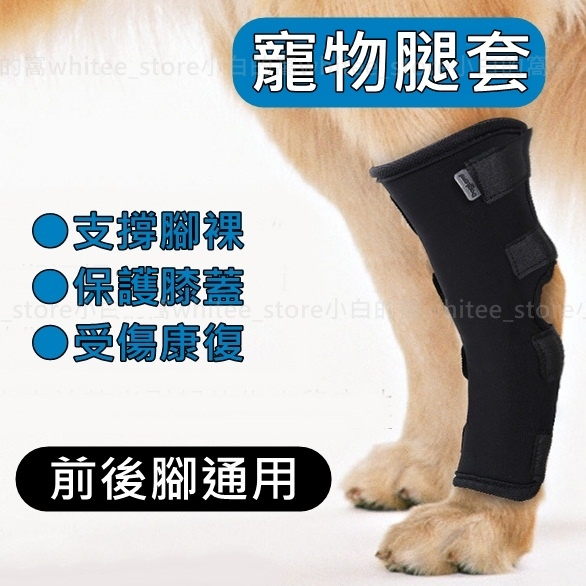
When taking your pet to a mall, you might run into unexpected situations. Many owners ask: "What kind of problems might pets encounter?" "How can I tell if my pet is feeling uncomfortable?" "What should I do if an accident happens?" First of all, the crowds and noise in malls can easily cause pet anxiety and pet stress. Furthermore, slippery floors can be hard on the joints of older dogs or those with mobility issues. I suggest staying observant of your pet's reactions and, if necessary, being prepared with things like recommended pet knee braces. Most importantly, understanding pet behavior is key to preventing problems. For example, some dogs are particularly sensitive to strangers or loud noises and need more personal space.
Potential Stressors for Pets in a Mall
Malls are stimulating environments, and they can be full of stressors for pets. Common ones include:
* Noise: Human voices, music, PA systems, etc.
* Smells: Food, perfume, cleaning products, etc.
* Crowds: Strangers approaching, kids running around, etc.
* Unfamiliar environment: Strange spaces, lighting, etc.
* Floor surfaces: Slippery tile or marble floors can make pets feel insecure.
Understanding these stressors will help you better assist your pet in adapting and minimizing their pet stress.
How to Tell if Your Pet Is Uncomfortable?
Observing your pet's body language is the best way to tell if they are uneasy. Here are some common signs:
* Excessive licking: Licking their lips, nose, or paws.
* Rapid panting: Breathing fast even when resting.
* Hiding: Trying to hide in their carrier, under furniture, or behind you.
* Loss of appetite: Losing interest in treats.
* Dilated pupils: Their eyes look larger than usual.
* Stiffness: Muscles are tense, and movements look unnatural.
(Illustrative image, please replace with an actual photo)
If you notice these signs, please remove your pet from the area immediately and give them a safe, quiet space to rest. If necessary, seek help from a pet behavior consultant.
While in the mall, always keep your fur baby in their stroller or travel carrier; this is your first line of defense for their safety. Please don't let them touch public tableware for the sake of convenience—this is mainly for hygiene reasons. Remember to run through a pet outing safety checklist to make sure everything is taken care of.
Preparation Tips for Advanced Pet Parents
Before taking your pet out, definitely double-check your gear. I once ignored the details and my dog got dust particles floating around the mall in his ears, which led to him constantly scratching them once we got home; I had to rush to buy suitable pet cotton swabs to clean them out. Remember, mall air conditioning is usually quite strong, so make sure your fur baby is warm enough. If your pet gets anxious easily, bring their favorite toy, like a puzzle or comfort toy, as it might help distract them and keep them calm. Additionally, you could consider pet stress-relief techniques, such as pheromone sprays or music therapy. Depending on the species, like cats versus dogs, your pet training approach might need to be adjusted accordingly.
Respect and Friendliness Go a Long Way
I truly believe that a pet-friendly environment relies on the joint efforts of pet owners. The more etiquette we show, the wider the doors to these malls will stay open for our pets. Don't think that just because someone says, "My cat is very well-behaved," it's okay to break the rules—every pet has a different tolerance level. My personal experience is that getting a cat used to going out takes time and patience; I recommend going step-by-step. Vets often say that a good owner is their pet's best guide; when they feel afraid of the world, we should be the ones to offer them an exit, not force them to face their fears. A healthy


Looking back now, taking our fur babies out is truly a skill to be learned. How did your little one react when you last took them to the mall? Were they a bit nervous, or did it feel like an adventure? If you notice them showing signs of stress, remember to observe and adjust your itinerary accordingly. I hope these suggestions help you and your pet level up your pet shopping etiquette!

