Looking back a few years ago, when my mixed-breed pet was first diagnosed with abnormal kidney levels, I was absolutely frantic. It was only then that I realized my past mindset—thinking it was fine to just buy large bags of kibble and that as long as my cat was eating happily, everything was okay—was actually causing long-term harm. After that scare, I started obsessively teaching myself pet nutrition, meticulously calculating my budget every month, and staying diligent with annual check-ups. But beyond the daily routine of feeding and cleaning, I later arrived at a deeper, more daunting question that keeps many owners awake at night: If I were to pass away one day, or if I fell so ill that I could no longer care for them, who would take over the medical and daily care of these furry babies I consider my own children? This is where a pet care trust becomes incredibly important. Beyond trusts, pet insurance and dedicated pet medical funds are also options many owners consider; we'll compare the pros and cons of these three later on.
Don't Let Your Love Become a Future Burden
I originally thought that I could just ask friends or family to help feed them, but after talking to a veterinarian, I realized that was completely impractical. A vet once told me: "Zhiling, keeping a cat isn't just about feeding them. Pet medical expenses and chronic disease care are the most exhausting parts. If the person taking over doesn't have sufficient resources, they might face huge challenges or even have to seek outside help." That really woke me up. Medical technology is advancing, meaning our cats are living longer, but that also means their period of age-related pain and illness—like joint degeneration or chronic kidney failure—will last longer. These conditions require long-term, stable financial support. The costs of long-term pet care are truly not to be underestimated. While many owners look into pet insurance to share the medical risk, insurance has coverage limitations, whereas a pet medical fund can be utilized much more flexibly.
A pet trust is essentially a concept of "earmarked funds." We entrust this money to a fiduciary institution and designate a trustworthy caregiver, ensuring the funds are used strictly for the furry one’s meals, check-ups, and specific veterinary medical expenses. This isn't about showing off wealth; it’s about providing a safety net for your pet when the unexpected happens. A pet trust ensures that even if you are no longer there, your furry companion will continue to receive the care they need.
Building a Comprehensive Care Journal Is Your Most Priceless Asset
Record Medical History and Habits
Many people only think about money when planning a trust, forgetting the most critical part: "information transfer." Imagine if the person taking over has no idea about your cat's dietary restrictions or what medications they are allergic to—even with money, a medical tragedy could occur. I make it a habit to compile a logbook detailing my cat's medical history from birth, their adaptability to the environment, and even their favorite pinecone toys or daily habits. For instance, I recently noticed my cat staring at a wall for long periods; the vet explained this is usually just normal sensory processing or sensitivity to shadows and light. These little details are vital benchmarks for a future caregiver to observe if the pet is falling ill.
Home Environment Preparation
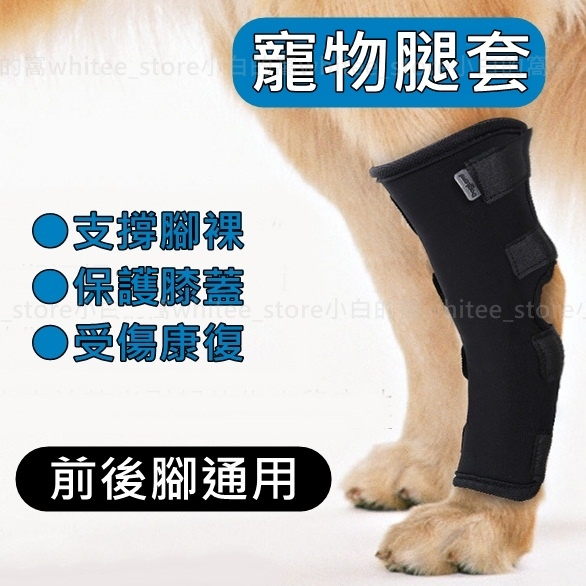
Beyond medical records, preparing the home environment is also crucial. If your cat is already experiencing mobility issues, start preparing assistive devices now, or stock up on transparent recovery collars to have on hand after surgery. This ensures the future caregiver knows how to manage these details instead of scrambling to buy the wrong products in a panic.
The Process and Considerations for Pet Trusts
How much does a pet trust cost?
The cost of a pet trust varies based on the trust amount, the duration, and the trust institution. Generally, there are setup fees, management fees, and custodial fees for the trust assets. I suggest comparing the fee structures of different institutions to choose the plan that best fits your needs.
Is a pet trust legally binding?
Pet trusts are legally binding in Taiwan and are protected under the Civil Code and the Trust Act. However, the execution details can be complex—such as the qualifications of the beneficiary or the distribution of trust property—which may involve legal nuances. It is highly recommended to consult with a professional lawyer before planning your trust to ensure your rights and your pet's interests are protected.
How to choose a trust institution
When choosing an institution, verify that they hold a legal license and thoroughly review their trust documents, content, and management fees. You must also confirm that the designation of the trust beneficiary is clear and that the method of fund usage aligns with your expectations. Different trust types (e.g., specific beneficiary trusts, charitable trusts) have different applications; professional consultation is advised.
What information is needed for trust documents?
When preparing your trust documents, you will need to provide your proof of identity, relevant information about your pet (e.g., breed, age, medical records), and specific instructions for their care. Additionally, you will need to designate a trust beneficiary and explicitly define how the funds should be managed.
Conclusion: Love is Both a Responsibility and Long-term Planning
Over the last two years, I’ve been adjusting my own habits, moving away from seeking the most expensive prescription food and learning instead how to balance budget with nutritional value. The process of planning a pet care trust is essentially our most profound declaration of love for them. Although the process is tedious and involves legal documents, knowing that they can live a life of dignity even without me makes all this effort worth it. Don't fall into the trap of thinking you're still young or have plenty of time; accidents always come suddenly. What we can do is start organizing their medical records today to buy peace of mind for their future. The importance of pet estate planning shouldn't be ignored, either—that could be the topic for a future post!
After reading this, have you seriously considered who would be the best person to take over if you could no longer care for your pet one day? Or how is your furry friend's current check-up status? Feel free to share with me.