Looking back a few years, my mixed-breed dog developed kidney issues at a very young age because I foolishly bought low-quality kibble with unclear labels. I was on the verge of a breakdown for weeks. Since then, I’ve developed a bit of an obsession with checking everything and reading every single label. But the most heart-stopping moment was when my cat nearly went into liver failure after accidentally eating a painkiller I’d dropped on the floor. Back then, I honestly thought it would be fine to give her just a tiny bit of human medicine, but that trip to the emergency clinic taught me a hard lesson: human life-saving medicine can be a deadly poison for our pets. Can cats and dogs take human medicine? The answer is generally a big "no." Pet medication safety is absolutely vital; you really can’t afford to be careless.
Why is human medication so deadly for cats and dogs?
Many pet parents think, "Well, we’re all mammals, so the pharmacology should be roughly the same, right?" That is hands down the biggest misconception. When I took my pets to the vet, they told me earnestly: "Zhiling, a pet's body metabolizes drugs in a completely different way than humans. Many substances humans can break down safely will just accumulate in a cat or dog's body after accidental ingestion, causing cell necrosis." To put it simply, they might lack certain enzymes in their liver or kidneys, which turns human medicine into a ticking time bomb inside them.
Take a very common example: acetaminophen, found in many over-the-counter pain relievers. It is absolutely toxic to cats. When a cat consumes acetaminophen, they lack the key enzyme to break it down, which leads to oxidative damage to their red blood cells, severe hemolytic anemia, and even liver failure. The metabolic pathway for acetaminophen in cats produces toxic byproducts that cause catastrophic harm. Cats are far more sensitive to acetaminophen than dogs, and the hemolytic reaction is much faster and more severe. Dogs ingesting non-steroidal anti-inflammatory drugs (NSAIDs) can face issues like stomach ulcers and kidney failure—the impact of NSAIDs on canine kidneys is especially dangerous. An overdose can have dire consequences, so please, always follow your veterinarian's instructions. I don't want anyone repeating my mistakes, thinking a tiny dose will help ease their discomfort; the risk is just too high. When it comes to dogs taking medicine, always follow your vet's orders.
Please strictly secure these common household medicines
Beyond painkillers, there are many things in our medicine cabinets that act as hidden killers. Our understanding of drug metabolism is limited, so if you notice anything off with your pet, please contact your vet immediately. Veterinary diagnosis is key to finding the problem. Also, when it comes to long-term health, regular check-ups are great, but daily care is even more important. For instance, earwax buildup can easily lead to inflammation; it’s much better to use specialized pet cotton swabs to gently clean them than to just smear on some random human ointment.
The impact of common human medicines on pets
| Medication | Potential Impact |
|---|---|
| Acetaminophen (Tylenol, etc.) | Cats: Hemolysis, liver failure; Dogs: Potential for hemolysis |
| Non-steroidal anti-inflammatory drugs (NSAIDs) | Stomach ulcers, kidney failure, bleeding |
| Cold meds with pseudoephedrine/phenylpropanolamine | Tachycardia, seizures, respiratory distress |
| Antidepressants (e.g., SSRIs, TCAs) | Nervous system depression, lethargy, ataxia |
| Blood pressure medication (e.g., ACE inhibitors, diuretics) | Hypotension, weakness, electrolyte imbalance |
Emergency steps after accidental ingestion
If you discover your pet has accidentally ingested human medicine, contact your vet immediately and provide as much info as possible, such as the drug name, dosage, and your pet’s weight. The vet might suggest inducing vomiting or other emergency procedures. How soon should you take a dog to the vet after ingestion? If you suspect your pet has eaten human medication, try to get them to the clinic within 30 minutes to an hour. Never try to "handle it yourself," as that could lead to even worse outcomes.
Prevention is better than cure—there's so much more we can do
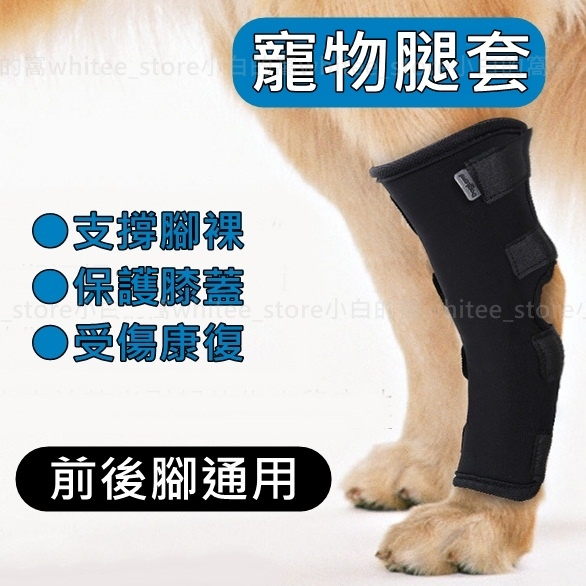
I used to think that just keeping the house clean was enough, but I never imagined a stray pill pack on the table could become a target. Besides securing my medications, I've become much more cautious about diet. I buy natural, handmade treats like chicken breast jerky—simple ingredients I trust—instead of relying on weird pills or dubious supplements to keep their energy up. If my pets are getting older and their joints are acting up, I prepare specialized pet knee braces for them rather than thinking about giving them human joint medication. That’s the scientific and responsible way to do things.
Raising cats and dogs is a lifelong journey. We aren't experts, but we can become the most observant guardians. Seeing them eat well and move around freely is the biggest motivation for me to keep learning about pet nutrition and medical care. Finally, I’d love to ask: how do you store your medicine at home? Have you ever had a "close call" where your pet almost snatched human food or medicine? Let’s chat in the comments below—share your experiences and help other new owners avoid these pitfalls!