To be honest, I still feel so bad about the mistakes I made in the past when it came to my two cats. When I first got them, I was so naive, I thought all cats needed was food and water to survive! But because I carelessly bought a cheap bag of low-quality dry food, my cats developed a long-term nutritional imbalance, which eventually led to kidney problems. Watching them get IV drips and constantly going back and forth to the hospital during that time was even more painful than being sick myself. That's when I started frantically studying pet nutrition and medical knowledge, and I make sure to take them for a full health check-up every year, including vaccinations and parasite prevention. I just want to avoid repeating that experience. Understanding common diseases in dogs and cats allows for early detection and treatment. When your dog is sick or your cat is sick, timely home care and a vet visit are both very important.
Your home medicine cabinet is off-limits – never give human medication to your pets!
I used to think that if my cat had a cold or itchy skin, it would be okay to give them a little bit of the ointment I normally use, or a reduced dose of my own cold medicine. But I almost caused a disaster! Many pet owners have this mindset, thinking "human medicine is better than nothing for animals," but a vet once told me something that, put simply, is this: human medication can be highly toxic to pets. Their metabolism is completely different, and even a slightly smaller dose can be a fatal blow. Especially with dogs and cats, their reactions to medication can vary greatly, so medication needs to be administered with extreme caution. For example, human pain relievers like aspirin or acetaminophen are dangerous for both dogs and cats, and even skin ointments can cause liver or kidney failure. Therefore, you should never self-medicate at home.
I learned my lesson and now keep my medicine cabinet completely separate from my pets' living area. If your pet seems unwell, don't play doctor yourself. Even buying a natural high-fiber treat or pure chicken breast jerky for daily care is much safer than giving them medication without knowing what you're doing. If your dog loses its appetite or seems lethargic, don't self-medicate – consult a vet as soon as possible. There are also many online veterinary consultation services available now, so you can get initial advice. If you're worried about medical expenses, you can also consider pet insurance for peace of mind.
Pay attention to subtle changes in daily behavior – don't wait until they're sick to see a vet!
Common Dog Diseases and How to Recognize Them
Cats are good at hiding pain, and dogs often mask discomfort, so we as owners need to be aware of this. Many people think that cats who like to hide or stare at walls are looking at something strange, but in most cases, they're just zoning out or listening to subtle sounds that humans can't hear. But here's the thing: if they frequently zone out, or their appetite decreases, and they hide for longer periods, that's definitely not because they saw a ghost – it's a sign that their body is sending out a warning. These are early signs of pet illness and need to be paid attention to. Common diseases in dogs include distemper, gastroenteritis, and dermatitis, while cats are prone to feline panleukopenia, kidney disease, and more.
Common Cat Diseases and How to Recognize Them
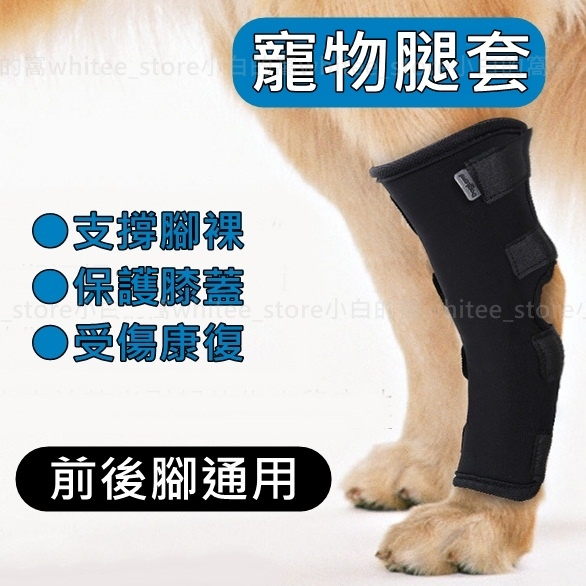
I used to be too slow to notice, always thinking cats were just more aloof, and I missed the best time for check-ups. Now I've developed a "diary-like" recording habit – I keep track of what they eat, how they're feeling, and whether there are any abnormalities in their bowel movements. If you notice your pet behaving differently than usual, think back to see if there have been any changes in their environment or diet, or if it's just a general feeling of discomfort. Some older pets may not want to move because of joint pain. In these cases, providing appropriate home care, such as pet braces or knee pads, is more thoughtful than simply giving them medication, and can also reduce their burden. Regular exercise and maintaining a healthy weight can also prevent many diseases. Good home care can effectively improve your pet's health.
Preparing for a vet visit – don't let your anxiety scare your pet!
Pre-Visit Checklist
When you really need to go to the hospital, the owner's mental state is actually very important. If you're so nervous that your palms are sweating, your pet will feel it. When I take them to the hospital, I always bring their usual towel with a familiar scent. A vet told me that animals are often stressed because of the oppressive environment, so we can reduce their stress through appropriate reassurance, rather than panicking ourselves. Knowing pet first aid can also provide assistance in emergencies. Remember to bring your dog or cat's medical records so the vet can understand their condition.
Home Medication Precautions
The best support we can give our pets is to be a calm and observant guardian. Don't be afraid to take notes on every detail you find unusual, so the vet has an accurate basis for diagnosing the condition. The path of pet ownership is a lifelong journey of learning, and I'm still learning too. Every time I see them happily playing with pine cones or enjoying natural treats, I feel that all the effort is worth it. A good diet and regular lifestyle are essential for pet health. If your dog or cat needs to take medication long-term, be sure to follow your vet's instructions and pay attention to any side effects.
Speaking of which, has your furry friend at home been showing any particular changes lately? Are they starting to be picky eaters, or does something seem off? Don't keep it to yourself. If you have any questions or have made any mistakes, feel free to share them with me. Let's work together to keep these adorable kids healthy and happy, so they can stay with us for longer.