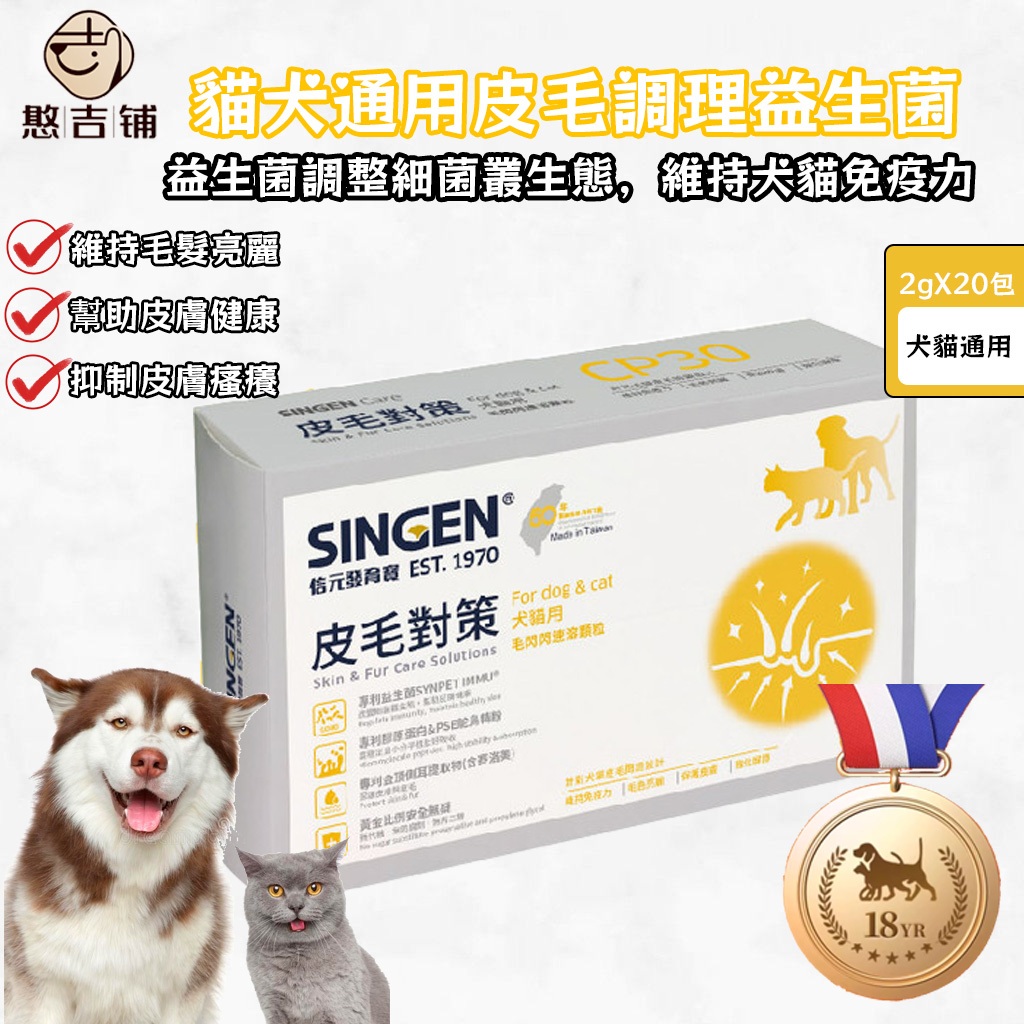
Looking back a few years ago, I was truly such a silly pet parent. Back then, seeing the dazzling array of functional treats on the shelves—with their cute packaging and promises of all kinds of health benefits—I bought heaps of them as rewards without a second thought. All I cared about was making my fur babies happy, never once looking at that long, confusing list of additives on the back. It wasn't until my little one's kidney values hit the danger zone from long-term consumption of these low-quality treats that I finally broke down crying in the vet's office. That day, my vet told me solemnly: "The whole point of functional treats is to supplement what the body lacks, not to fill them up with unnecessary burdens. If you ruin their basic metabolism, no amount of supplements will help." That hit me like a ton of bricks. From that day on, I started studying real pet nutrition seriously, and I realized that choosing functional treats is actually a huge topic. When picking out these treats, you have to be extra careful about the ingredients and avoid excessive additives or potential allergens like chicken, beef, or grains.
Choosing Based on Life Stage: Puppy Treats, Senior Cat Treats, and Different Needs
Many owners are just like I was, thinking treats are just simple rewards and that as long as the pet eats them, it’s fine. But in reality, pets at different ages have completely different metabolic capacities. During puppyhood, their digestive systems are quite sensitive; giving them hard or overly complex functional treats can easily cause diarrhea. I used to think it was fine to give them flavorful jerky, but all that earned me was a picky eater. When choosing puppy treats, focus on digestibility and ingredients that support bone development, such as calcium and Vitamin D. But be careful—too much Vitamin D can be harmful, so moderation is key; excess can lead to hypercalcemia, which both puppies and kittens are susceptible to. Veterinarians suggest that the protein content in puppy treats should be between 22-32%, and fat content between 8-18%, though these numbers vary based on breed, weight, and activity level. (Reference: [Journal of Veterinary Nutrition](https://www.example.com/veterinary-nutrition)).
For fur babies in their prime, if their coat feels rough or their skin is prone to dryness and itching, we can look for functional treats specifically for coat and skin health. Treats containing Omega-3 and Omega-6 fatty acids, or supplements with lecithin, can help build a strong foundation from within. However, skin issues have many causes—allergies, parasites, hormonal imbalances, etc.—so just adding these ingredients might not be the cure-all. It's always best to consult your vet to find the root cause. I used to think frequent baths would fix their skin, but it turned out it was just a lack of proper nutrition. Choosing treats with simple ingredients and no artificial coloring is the kindest way to treat their bodies. Also, for high-activity dogs, you can opt for functional treats with joint-protecting ingredients like glucosamine and chondroitin to prevent future issues. These ingredients help protect joint cartilage and alleviate pain.
Care for Senior Pets: The "Subtraction" Philosophy for Functional Treats
Once they enter their golden years, a slower metabolism is inevitable. This is when you need to practice the "subtraction" method with your treats. Nowadays, with my senior pets at home, I never give them treats loaded with artificial flavors or salt just to make them tastier. My vet once reminded me: "Older pets already have a harder time with kidney filtration; overly salty treats put a huge strain on them, which can impact their health over time." This hit home hard because my past mistakes essentially turned my love into an invisible poison. Furthermore, a high-phosphorus diet can also stress the kidneys and is a significant factor in chronic kidney disease, though kidney disease is multifactorial, involving age, genetics, and other conditions. So when selecting treats, besides watching the salt, pay attention to the phosphorus content on the label. Treats for seniors should focus on easy digestion, low burden, and ingredients that support kidney function, such as low-phosphorus, high-quality protein options.
Categorizing Functional Treats and Ingredient Analysis
Treats for Sensitive Skin
If your pet has sensitive skin or atopic dermatitis, choose treats with Omega-3, Omega-6 fatty acids, and Vitamin E to help soothe inflammation and improve coat health. Deep-sea fish oil, for instance, is rich in EPA and DHA, which effectively reduce skin inflammation. Meanwhile, steer clear of treats containing common allergens like chicken, beef, or dairy.
Treats for Joint Health
For pets with joint concerns, look for treats with glucosamine, chondroitin, and MSM to protect cartilage and reduce pain. Glucosamine and chondroitin are key components of joint cartilage, while MSM acts as an anti-inflammatory. When choosing, check if the product contains hyaluronic acid, which helps lubricate the joints.
Treats for the Digestive System
If your pet has frequent diarrhea or indigestion, opt for treats with probiotics and fiber to maintain gut flora balance and promote digestion. Probiotics boost the number of "good" bacteria, while fiber helps gut motility. Some treats even add digestive enzymes to help break down food, reducing the workload on their stomach.
Back to Basics: Whole Food Treats Are Best
At the end of the day, the best treats are the ones that actually look like real food. I’ve made it a habit over the past few years to always check the ingredient label on the back; if there are chemicals that even I can't read, I put it back on the shelf. Natural chicken breast jerky, for example, is minimally processed and safe to feed. But even with natural ingredients, some cats or dogs might have allergic reactions, so I recommend owners watch their pet closely the first time they try something new. I used to think the most expensive, fanciest-looking treats were the best, but I learned that the simplest, most natural ingredients are the greatest expression of love for our fur babies.
Pet ownership is a long journey, and all we can do is replace blindness with knowledge. Taking your pet for an annual check-up and keeping an eye on their weight and energy levels is far more important than how many fancy treats they get. So, how are your fur babies doing lately? Are there any specific diet issues or small health quirks that need adjusting? Feel free to share in the comments—let’s look out for our fur babies' health together!