When it comes to drinking water, I really have a dark, painful history. Back then, I also thought that as long as I kept the water bowl full in the corner, my furry kids would just drink when they were thirsty. It turned out that both of my cats suffered kidney damage due to long-term dehydration. Those days of running to the vet every day and giving them subcutaneous fluids truly broke my heart and left me with so much regret. It wasn't until then that I forced myself to dig deep into pet nutrition, only to realize that simply putting down a bowl of water isn't enough at all—especially in our humid, stuffy subtropical climate, where the risk of dehydration for dogs is much higher than we think.
Don't just stare at the water bowl; diet is the invisible battlefield for hydration
Many people ask me, "What should I do if my dog doesn't like drinking water?" Honestly, I always tell them that hydration doesn't just have to come from "drinking"; it should come from "eating." My vet once gave me a really simple analogy: think of dry kibble like crackers—would you be thirsty if you only ate crackers every day? Of course you would. So, if a dog only eats dry food long-term, they are basically in a state of mild dehydration. To put it simply, dry food usually only has about 10% moisture, while wet food or fresh food has over 70%. Adjusting their diet ratio essentially means giving them extra water with every meal.
I used to think I had to replace all their kibble for it to count, but I found that just caused stomach upsets. The best way is to go step-by-step, like adding a bit of wet food to their usual meals. If you feel canned food is too expensive, adding some freeze-dried vegetables once in a while is a great choice. For example, LuDuPi (露肚皮) pet freeze-dried treats—rehydrating them with water not only increases their fluid intake, but the meaty aroma usually stimulates their appetite, which is super helpful for picky eaters or older dogs whose sense of smell is fading.
Hydration tips for senior and unwell dogs
When caring for senior dogs, we have to be extra careful. Old dogs' kidney filtration function declines, and their ability to metabolize waste drops. If their water intake isn't enough, it puts even more strain on their kidneys. My vet reminded me that choosing the right protein is crucial—you want high bioavailability, easy-to-absorb proteins to reduce the workload on the kidneys. Some owners ask if they can give them fruits and vegetables; definitely, but pick ones that are hydrating and low in sugar, like cucumbers or Napa cabbage. Chopping them up and mixing them into meals adds water and fiber, which also helps stabilize their gut microbiome.
How to monitor hydration and daily check-ups
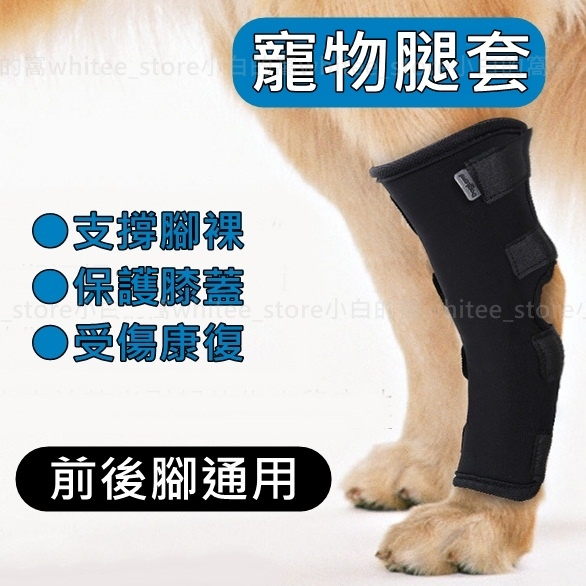
Many owners ask me how to tell if their pet is dehydrated. Besides looking at their energy levels, the most accurate way is to check their urine color and skin elasticity. If the urine smells strong and is very dark, that’s a definite warning sign of dehydration. For senior dogs with joint issues, sometimes they are too lazy or find it hard to walk to the water bowl, so we as owners need to be proactive—place water near where they rest, or help them with supportive gear to reduce their strain. Also, I’ve made it a habit to bring my pets for basic blood work every quarter to make sure everything is in the normal range. It’s much more peace-of-mind than waiting for a problem to happen.
The journey of raising a pet is a long one, and there's always more to learn. I used to think that just buying them expensive food was enough, but true love is actually hidden in the little details of managing their diet every single day. Seeing our furry kids healthy and happy is the greatest comfort for us as owners. So, after all that, how is your dog doing with drinking water? Are there any specific picky-eating struggles or hydration tips you’ve found? Feel free to share with me; let's discuss and help our babies live longer and healthier lives together.