Rethinking Home Layout from a Cat’s Perspective
Many pet owners prioritize human traffic flow when decorating, but cats actually crave the extension of vertical space. My vet once told me something that really stuck with me: "A lot of a cat’s environmental anxiety stems from a lack of safety and control over their territory." Put simply, if they don’t have a place to perch high up and survey their kingdom, they’ll feel like they’re constantly in danger of being ambushed. I’m no expert, but through self-study over the years, I've found that you can create an amazing flow just by utilizing the levels of your existing furniture. Instead of expensive cat trees, I opted for simple wall-mounted shelves, allowing them to travel freely between the top of the wardrobe and the windowsill. When cats have control over the high ground, that sense of security significantly reduces their anxiety and territorial behaviors like urinating outside the litter box. As for that question I get all the time—"Why does my cat stare at the wall for no reason?"—it's actually normal behavior. Cats have incredibly sharp hearing and smell; sometimes they’re just tracking a slight vibration in the pipes behind the wall or a shadow that the human eye can't even see. Unless it happens constantly and is accompanied by a loss of appetite or lethargy, there's no need to worry that they're seeing something "spooky."Where Aesthetics Meet Functionality
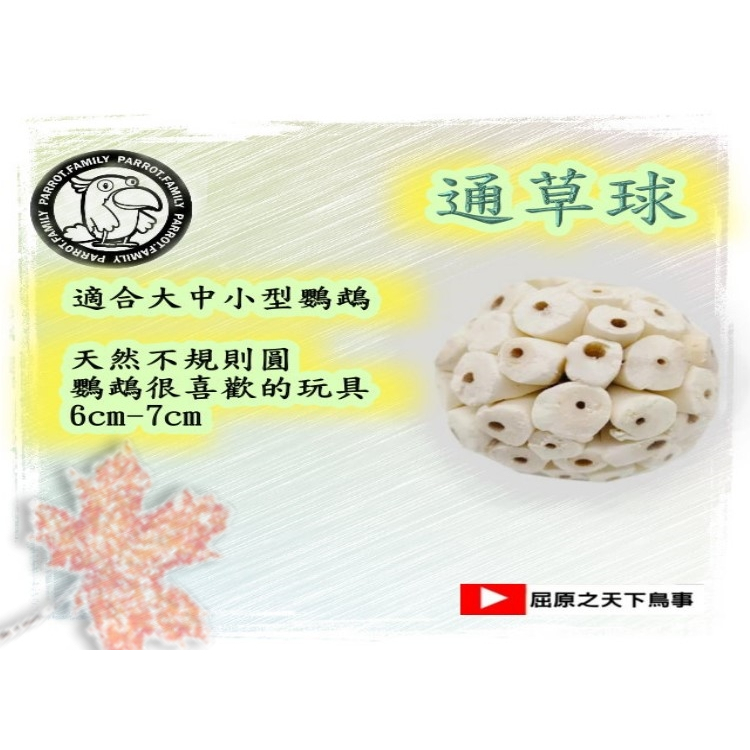
When decorating, try to integrate pet toys into your home style. Nowadays, I prefer choosing cat toys made of natural materials—like simple pinecone balls—or designs that enrich their environment. They look natural and chic, far better than having a pile of plastic junk scattered across the floor.Pro-Tip: Quality of life at home isn't just about decoration; it's about observing your cat's habits and turning their physical needs into part of your design. For example, reserve a private, hidden space for the litter box and use vertical movement to relieve feelings of confinement.
The Balance of Nutrition and Environment is True Quality Living
I once bought random pet food off the shelf for the sake of convenience, which ended up causing early-stage kidney issues for my cats. After that painful lesson, I became obsessed with ingredient labels, and annual health checkups became an absolute must. Actually, a quality home life also includes "what they eat." If your pet isn't feeling well, no matter how beautiful your home is, you won’t be able to relax. I’ve made it a habit to add high-quality supplements to their feeding routine, like freeze-dried turtle eggs. They’re a great way to provide lecithin for coat health without adding the heavy caloric burden that standard treats do. Also, consider aesthetics when choosing pet care gear. For instance, if your cat is recovering from surgery, opt for a clear plastic Elizabethan collar. Aside from preventing them from looking like a "critical patient," it also helps them avoid bumping into things and reduces the anxiety caused by an obstructed field of vision.Caution: If your cat starts staring at walls excessively, hiding away, or reacting violently to environmental changes, these are usually warning signs from them. Never mistake this for just being lazy; please reach out to a professional veterinarian for help.
Building a good environment is, at its core, about respecting their animal instincts, not stuffing them into a "showroom" designed only for human aesthetics. Watching these two little guys jumping around freely and snoozing peacefully in the sunlight on the balcony—that, to me, is the best home design of all.
Where is your pet's favorite corner of the house? Share with me if there’s anything you bought that you ended up regretting, or any simple item they surprisingly fell in love with!
Recommended Items