Thinking back, years ago, I carelessly bought cheap kibble for my fur babies, which led to them developing kidney issues at such a young age. The heartbreak and guilt I felt back then still hurt to this day. To help restore their health, I started obsessively teaching myself about pet nutrition and even forced myself to understand every ingredient label on the back of treat bags. I used to think that buying "functional" treats from the store to use as rewards was a win-win—I could spoil them while sneaking in some extra nutrients. But in reality, by taking the easy way out, I almost added unnecessary burden to their bodies.
Functional treats are not a panacea; reading labels is a fundamental skill
There are so many functional treats on the market today claiming to support joints or skin and coat. Like me in the past, many pet owners think, "I bought it, so it must be fine." But a veterinarian friend of mine often gives me a reality check: "Treats are just treats." If nutrition were that easy to supplement through treats, what would be the point of main meals? That hit home. When choosing treats, we must read the ingredient list to see the actual proportion of functional ingredients and check for excessive artificial flavoring or starches.
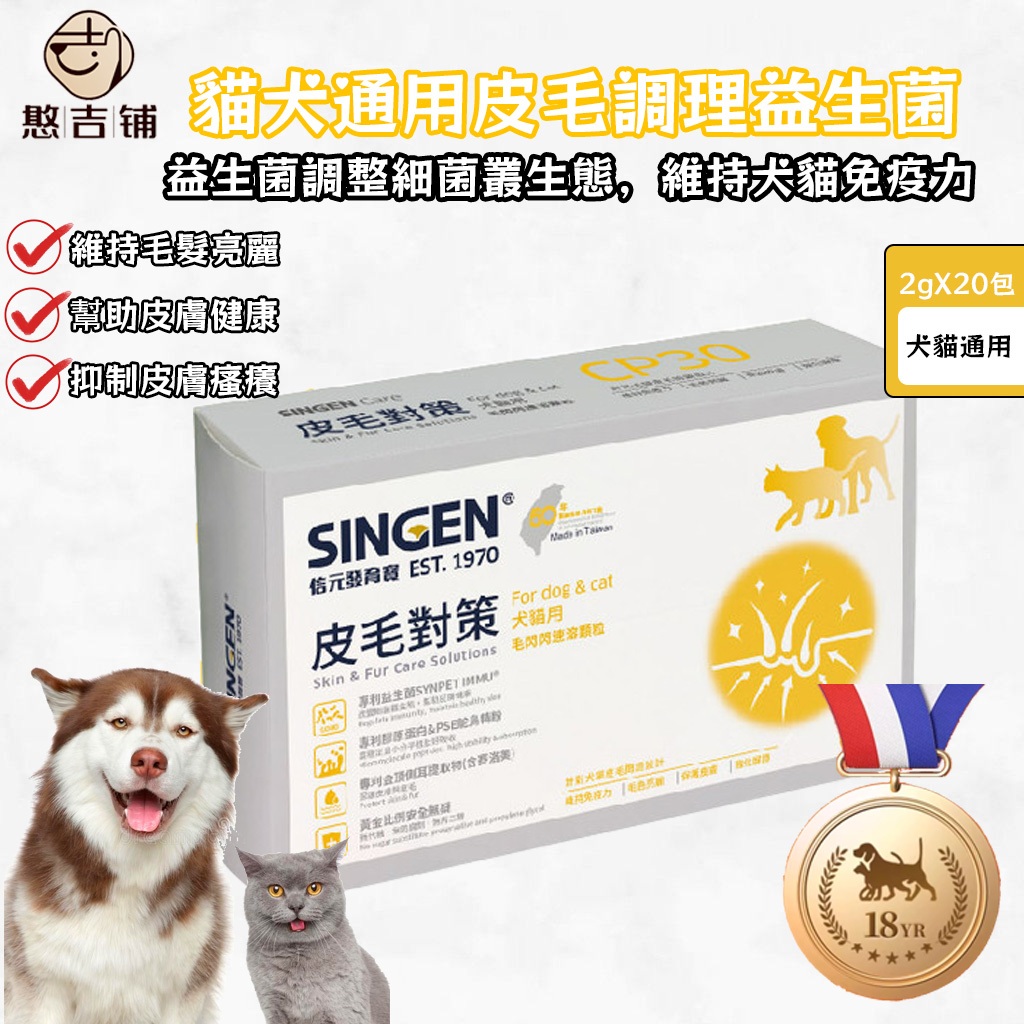
My principle for choosing treats now is simple: the simpler the ingredients, the better. For example, I often give my pets chicken freeze-dried treats or Mitou’s pure chicken breast chunks. You can see exactly what they are at a glance, and you don’t have to worry about excessive artificial additives. If you’re looking to support skin health, instead of stuffing them with a bunch of treats, it’s better to choose a suitable pet probiotic. This kind of targeted care is far more effective—and safer—than eating functional treats.
The Golden Ratio and Timing for Feeding
Many owners ask me how much is too much when it comes to treats. My personal rule is that the total calories from treats per day should not exceed 10% of their main meals. If you give a lot of functional treats, you should slightly reduce the portion of their main meal. Sounds like a hassle, right? But believe me, compared to frequent trips to the vet, spending one minute a day observing your pet's appetite and weight is absolutely worth it.
Observe your pet’s reaction for the most accurate results
When I first started trying these treats, I paid extra attention to their stool and skin condition. Some treats sound great on the packaging, but if your pet gets diarrhea after eating them, or starts scratching, it means that treat isn’t for them. My vet taught me not to force my pets to accept a treat just because it’s expensive or famous. Every pet has a unique constitution, and even a tiny piece of freeze-dried snack is "poison" to them if it triggers an allergy.
Establishing a Healthy Mindset
I now take my pets for a regular health check-up every year, which is the most important thing I’ve learned since becoming a pet parent. Information found online or treats recommended by friends can't compare to a diagnosis based on blood test results from your vet. Functional treats are truly just a supplement; what really keeps them healthy is a high-quality main diet, sufficient water, and our observation of the details of their lives.
Many owners tell me they worry if their cat is unwell because it stares at the wall. Often, that’s just a cat zoning out, or they heard a sound we can't. But if you notice the frequency of this "spacing out" increases or their eyes look dull after eating a certain treat, you need to be alert. Don't gamble with your pets' lives—every bite we give them is an investment in their future.
That said, I’m curious—what kind of treats do your fur babies usually eat? Have you ever fallen for any "traps" or discovered any special tips to keep them healthy? Please share with me in the comments below! Let’s look out for our pets’ health together and avoid unnecessary detours.